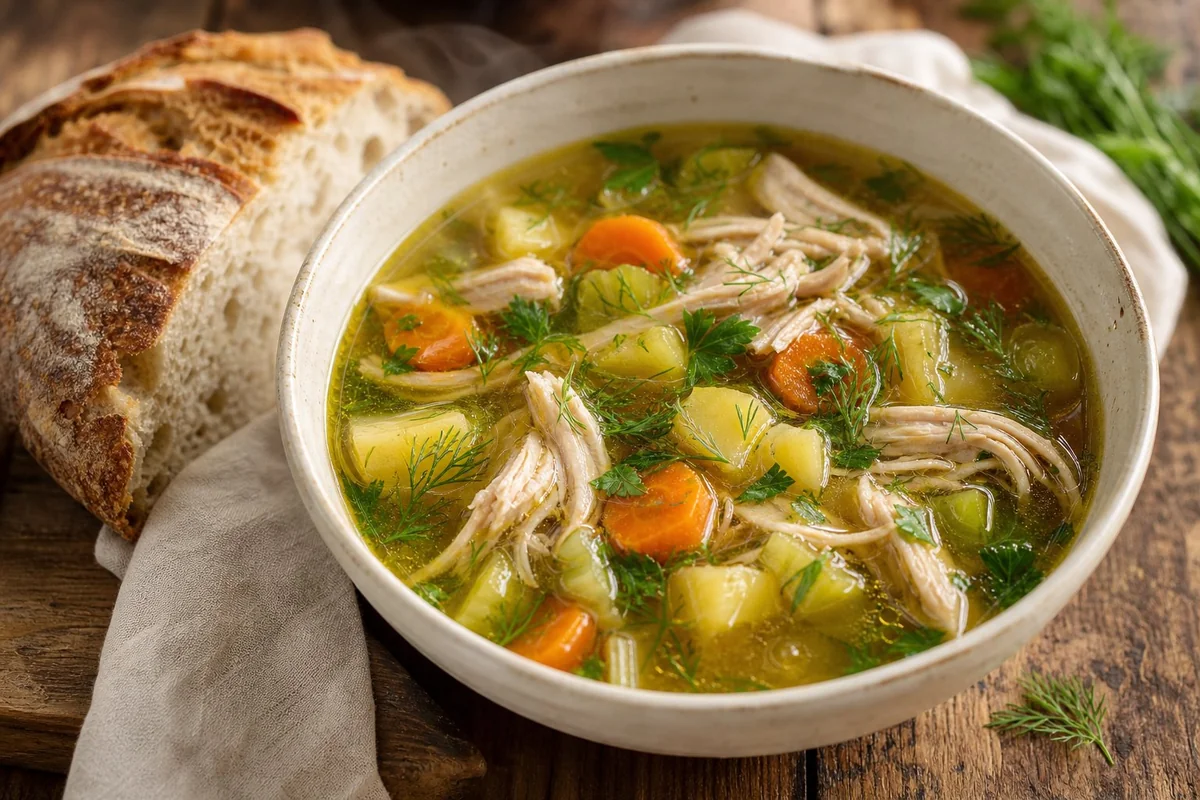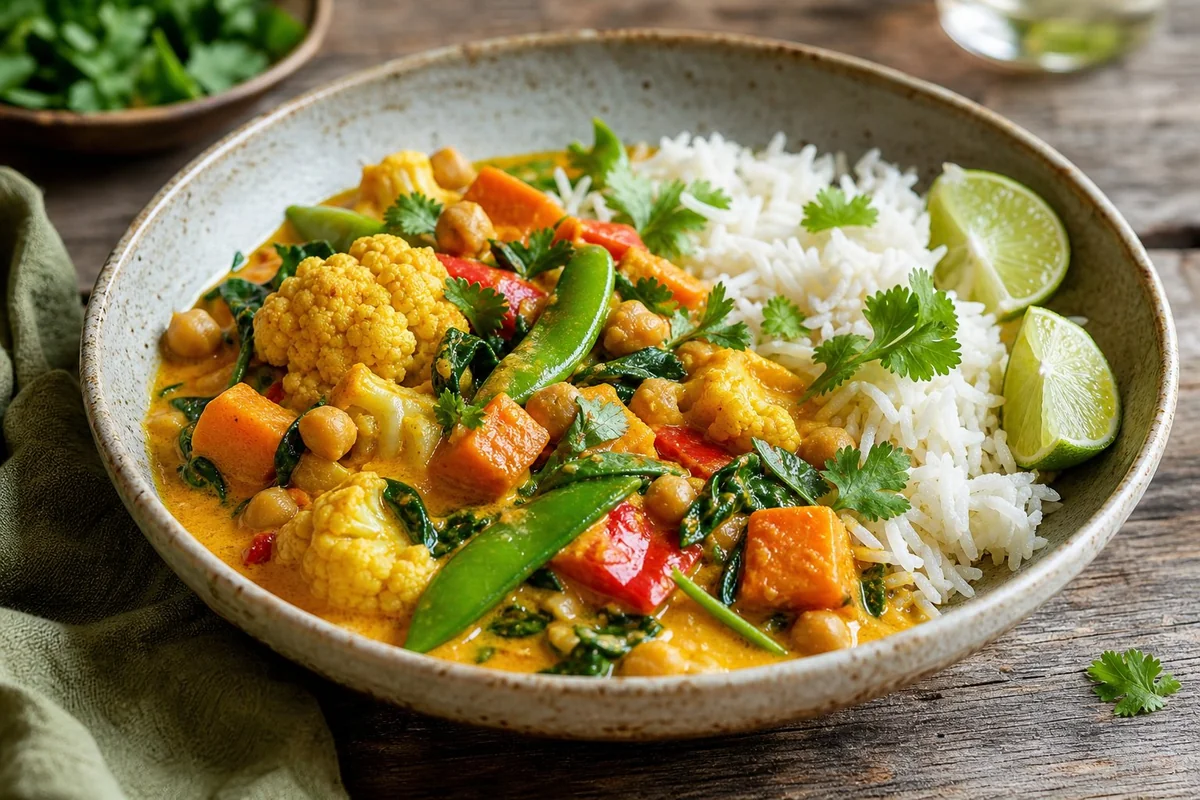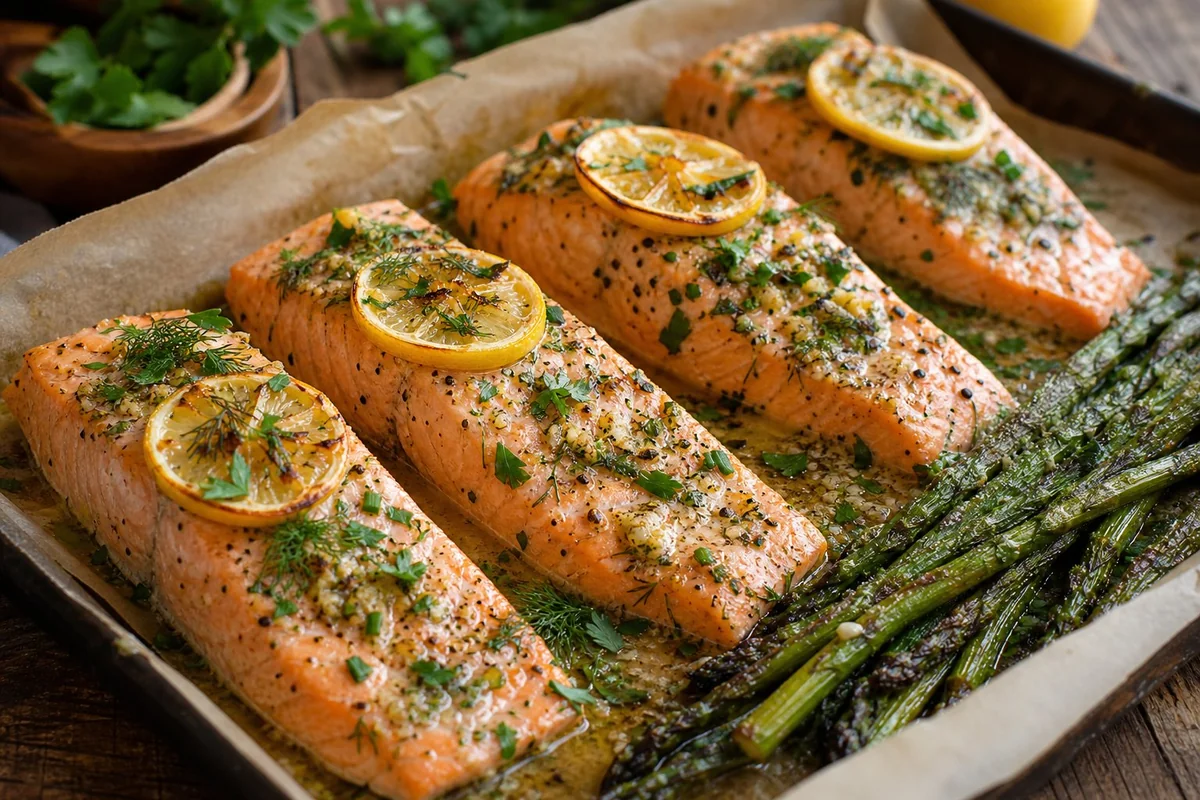
Fresh salmon fillets are too generous an investment at the fish counter to risk turning dry, pale, and chalky on a Tuesday night. Yet countless recipes tell home cooks to blast salmon at 425 or 450 degrees for twenty minutes—a surefire path to tough edges and pools of curdy white protein wept across the baking sheet. Dropping your oven down to a gentle 375 degrees and brushing each fillet with a thin, savory emulsion of olive oil, melted butter, grated garlic, lemon zest, and a whisper of Dijon mustard protects the delicate flesh completely. In barely fourteen minutes, the fillets flake apart into glossy, coral-pink petals, ready for a bright shower of fresh dill, parsley, and chives right before hitting the table.
Why This Recipe Works
Those harmless yet unappetizing white curds that ooze out of overbaked salmon are coagulated albumin—a liquid muscle protein pushed to the surface when fish muscle fibers contract violently under aggressive heat. Baking at a moderate 375°F (190°C) heats the fillet evenly from edge to center, keeping muscle fibers relaxed so natural omega-3 oils and moisture stay locked inside every flake.
Whisking 1.5 teaspoons of Dijon mustard into warm butter, extra-virgin olive oil, garlic, and lemon juice creates a clingy glaze that doesn’t slide off raw fish onto the parchment. Waiting to scatter delicate fresh dill, chives, and flat-leaf parsley over the hot fillets after they emerge from the oven preserves their vibrant green aroma instead of scorching them crispy-brown.
Key Kitchen Tips for Buttery-Soft Fillets
- Let chilled salmon sit on the counter 12 minutes before baking: Taking the icy fridge chill off thick center-cut fillets helps them bake evenly in 12 to 14 minutes without raw centers.
- Buy center-cut fillets of equal thickness: Four 6-ounce (170 g) fillets cut roughly 1 to 1.25 inches thick finish at the exact same minute.
- Trust an instant-read thermometer over the clock: Pull wild sockeye or coho salmon at 120°F to 125°F (49°C–52°C) and richer Atlantic or King salmon at 125°F to 130°F (52°C–54°C).
- Leave the skin on underneath: Even if you don’t eat salmon skin, it acts as a natural thermal cushion against the hot baking dish, and cooked fillets lift cleanly off the skin with a flat spatula!
Common Mistakes to Avoid
- Marinating raw salmon in lemon juice for an hour: Citric acid “cooks” raw fish proteins ceviche-style within 20 minutes, turning the outer layer mushy when baked. Brush the lemon glaze on right before sliding the pan into the oven!
- Baking until the center hits 145°F in the oven: By the time carryover heat finishes on the plate, salmon pulled at 145°F climbs past 152°F and tastes dry and canned.
- Skipping parchment paper: Unbleached parchment prevents delicate salmon skin from gluing to ceramic or metal pans and makes cleanup effortless.
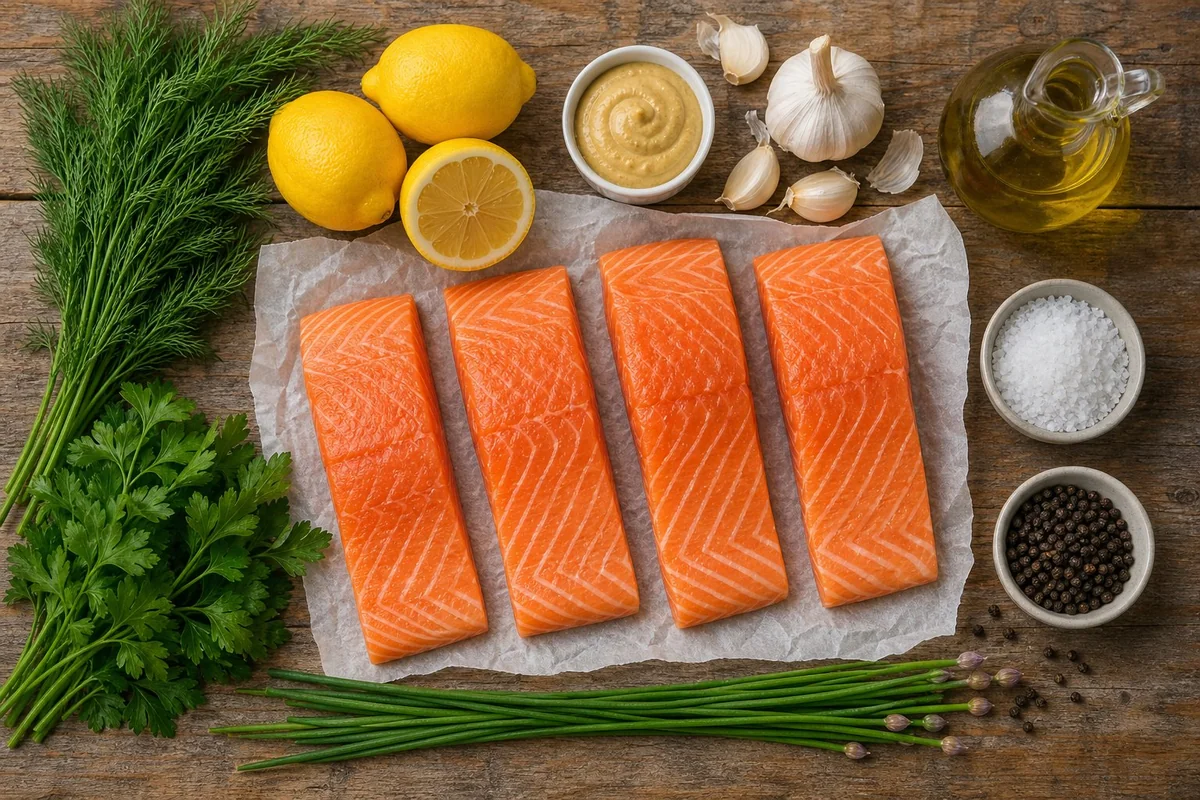
Ingredients
- 4 center-cut salmon fillets (6 oz / 170 g each, skin-on, pin bones removed)
- 1.5 tablespoons (21 g) unsalted butter, melted (or all extra-virgin olive oil for dairy-free)
- 1 tablespoon (15 ml) extra-virgin olive oil
- 1.5 tablespoons (22 ml) freshly squeezed lemon juice, plus 1 teaspoon finely grated lemon zest
- 1.5 teaspoons (7.5 g) Dijon mustard
- 2 cloves garlic (6 g), finely grated or minced
- 3/4 teaspoon (4.5 g) fine sea salt
- 1/4 teaspoon (0.6 g) freshly ground black pepper
- 4 paper-thin slices fresh lemon (for topping)
- 2 tablespoons (6 g) finely chopped fresh dill
- 2 tablespoons (8 g) finely chopped fresh flat-leaf parsley
- 1 tablespoon (3 g) thinly sliced fresh chives
Ingredient Notes & Tested Substitutions
- Wild vs. Farmed Salmon Timing: Leaner wild-caught sockeye or coho salmon cooks 2 to 3 minutes faster (check at minute 10!) than marbled Atlantic or Chinook/King salmon.
- 100% Dairy-Free / Paleo / Whole30 Option: Replace the 1.5 tablespoons melted butter with an extra 1.5 tablespoons fruity extra-virgin olive oil or ghee.
- Frozen Salmon Fillets: Thaw vacuum-sealed fillets overnight in the refrigerator (slitting a tiny corner in the pouch first to allow oxygen exchange), then blot thoroughly dry with paper towels before glazing.
- Herb Swaps: Fresh tarragon, basil, or tender oregano leaves make lovely swaps if someone at the table dislikes dill.
Step-by-Step Instructions
- Preheat oven and temper the fillets (6 minutes): Position a rack in the center of your oven and preheat to 375°F (190°C). Line a 9×13-inch rimmed baking dish or quarter-sheet pan with unbleached parchment paper. Pat the 4 salmon fillets thoroughly dry on all sides with paper towels, check with clean fingertips for any stray pin bones, and arrange skin-side down with 1.5 inches of space between fillets.
- Whisk the lemon-garlic-Dijon glaze (2 minutes): In a small bowl, whisk together the melted butter, extra-virgin olive oil, fresh lemon juice, lemon zest, Dijon mustard, grated garlic, fine sea salt, and black pepper until smooth and emulsified.
- Brush generously and top with thin lemon wheels (1 minute): Spoon and brush the savory glaze evenly across the top and sides of all four salmon fillets, then lay one paper-thin slice of fresh lemon lightly across each piece.
- Bake gently until barely opaque and flaky (12 to 15 minutes): Bake uncovered at 375°F for 12 to 15 minutes (start checking lean wild sockeye at 10 minutes; thicker 1.25-inch Atlantic fillets at 13 minutes) until the edges turn opaque coral-pink, the center flakes tenderly when nudged gently with a fork, and an instant-read thermometer registers 125°F to 130°F (52°C to 54°C).
- Shower with fresh herbs and baste pan juices (1 minute): Remove from the oven, spoon any warm lemon-garlic butter juices from the parchment right back over the fillets, scatter the chopped fresh dill, flat-leaf parsley, and chives generously across the top, and serve warm after a 2-minute rest.
Nutrition Estimate, Storage & Variations
Estimated Nutrition per Serving (1 glazed 6-oz fillet): 350 calories | 35 g protein | 2 g carbohydrates | 0 g dietary fiber | 0.5 g natural sugars | 22 g total fat (5.5 g saturated fat, plus over 2,200 mg marine EPA & DHA omega-3 fatty acids) | 510 mg sodium. High in Vitamin D, Vitamin B12, selenium, and complete protein, this twenty-minute centerpiece fits nearly every wholesome eating style.
Leftover Storage & No-Smell Reheating
Cool leftover baked salmon promptly and store in an airtight glass container in the refrigerator for up to 3 days. Skip the office microwave—cold leftover herb salmon tastes phenomenal flaked straight over greens or grain bowls! To enjoy warm at home, place fillets covered in a 275°F (135°C) oven with a teaspoon of water for 10 minutes just until warmed through.
Three Effortless Variations
- Sheet-Pan Asparagus & Salmon Supper: Toss 1 pound trimmed thin asparagus spears with olive oil and salt right alongside the salmon on a wide half-sheet pan—both finish in 13 minutes at 375°F!
- Honey Mustard Pecan Crust: Whisk 2 teaspoons raw honey into the Dijon glaze and press 3 tablespoons finely chopped pecans onto the fillets before baking.
- Mediterranean Caper & Burst Cherry Tomato: Scatter 2 tablespoons drained capers and 1 cup halved cherry tomatoes around the fillets on the parchment before baking.
Frequently Asked Questions
Should I bake one large whole side of salmon the exact same way?
Yes! A 1.5-pound (680 g) center-cut whole salmon side looks stunning for dinner guests—just add 3 to 4 extra minutes of bake time at 375°F until the thickest middle reaches 125°F.
How do I know salmon is cooked safely without a meat thermometer?
Press the thickest top gently with the back of a fork: raw salmon feels squishy and translucent inside, whereas properly baked salmon yields into distinct, moist, slightly translucent coral flakes.
Can I broil the salmon for 1 minute at the end?
If you love lightly browned garlic tips, pull the salmon out 2 minutes early (around 118°F internal) and broil 6 inches below the element for 60 to 90 seconds before adding the fresh green herbs.
Do I need to scale or remove salmon skin before baking?
Leave the skin on during baking to insulate the delicate underside; once cooked, slide a thin spatula right between the pink flesh and the silver skin—the fillet lifts away cleanly in one piece.
Final Thoughts & More Recipes to Try
Twenty minutes, one sheet of parchment, and bright everyday herbs turn weeknight seafood into the calmest dinner in your rotation. Serve these fillets beside our crisp Greek Salad Bowl, explore lighter white fish in our Baked Cod with Herbs, or switch up seafood night with skillet-seared Garlic Butter Shrimp.